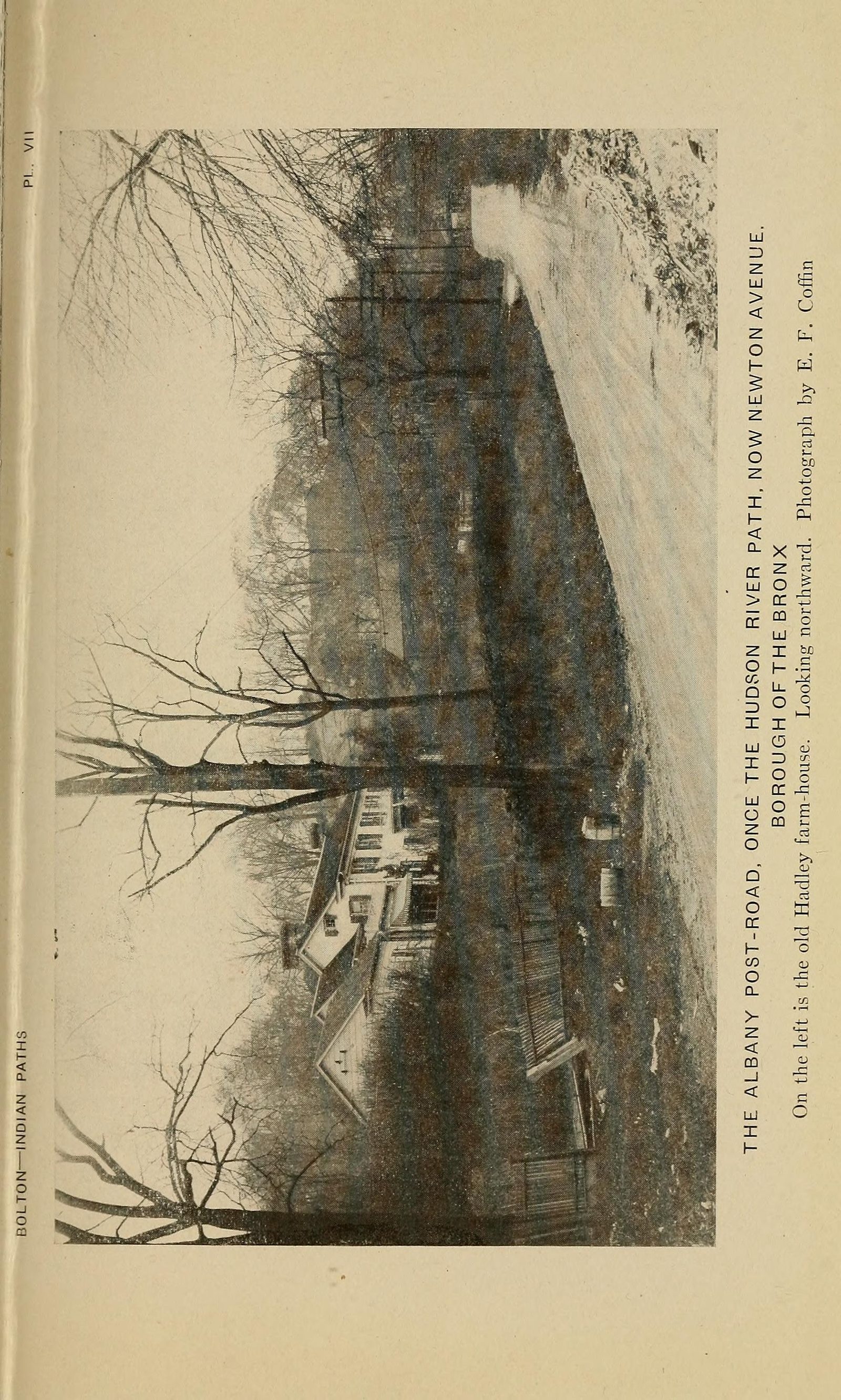
Plate VII from Reginald Pelham Bolton’s 1922 study of Indigenous paths. Used as regional historical context.
In this story · 4 sections
Blue Mountain Reservation looks like a place apart from the surrounding towns. Its public landscape was made through acquisition, construction and continuing maintenance. The trails and stone buildings are evidence of that work, as much a part of the park's history as its wooded slopes.
A county acquisition in 1926
Westchester County dates its acquisition of Blue Mountain to 1926. The reservation now covers 1,538 acres and includes the peaks of Blue Mountain and Mt. Spitzenberg. These are firmer starting points than the speculative accounts of landowners' intentions in our earlier article. County park account
The park belongs to the larger history of the county's effort to assemble public open space. Acquisition records and Park Commission reports can show how parcels entered the system, what the county paid and what it planned to build. A general history of Van Cortlandt Manor cannot substitute for those parcel records.
The New Deal in stone
The county identifies two historically significant comfort stations built by the Civilian Conservation Corps. Their rustic design connects an ordinary park amenity with the public works of the Depression. A visitor can read the New Deal here through a building's materials and use, not only through a plaque. County description
The earlier article assigned nearly every trail and structure to particular CCC companies. That level of detail calls for camp reports, construction records or dated photographs. The county's attribution supports the comfort stations; it does not, by itself, establish who built every feature now in the park.
A landscape still being used
The current trail system serves walkers, mountain bikers and nature study. It connects with the Briarcliff-Peekskill Trailway. The reservation also has a trail lodge and the Sportsman Center. These different uses are part of the park's continuing public life, rather than the end of its history. Consult the county's current trail map and facilities information before planning a route.
What remains to be established
Indigenous history in this region long predates the county park. A responsible account of this particular site needs site-specific archaeological and documentary evidence. Dating a shell deposit at Croton Point does not date occupation at Blue Mountain, and a colonial deed does not reveal each signatory's intentions. Our earlier version made both leaps.
For further research, the Westchester County Archives' Park Commission records offer a way into acquisition and development. The National Archives' CCC records guide identifies the federal record group. These are research leads, not a claim that every relevant file has already been examined.
The surviving public buildings give the story a sound center: county land acquisition made public use possible, and labor made that use practical. The finer chronology should grow from records that identify the work.
Updated October 16, 2026. Rewritten to distinguish documented county acquisition and CCC construction from unsupported claims about ancient occupation, naming, ownership motives and specific trail construction.
Follow the evidence
Sources are linked beside the claims they support. Numbered notes open archived passages; named links open the cited record or publication.