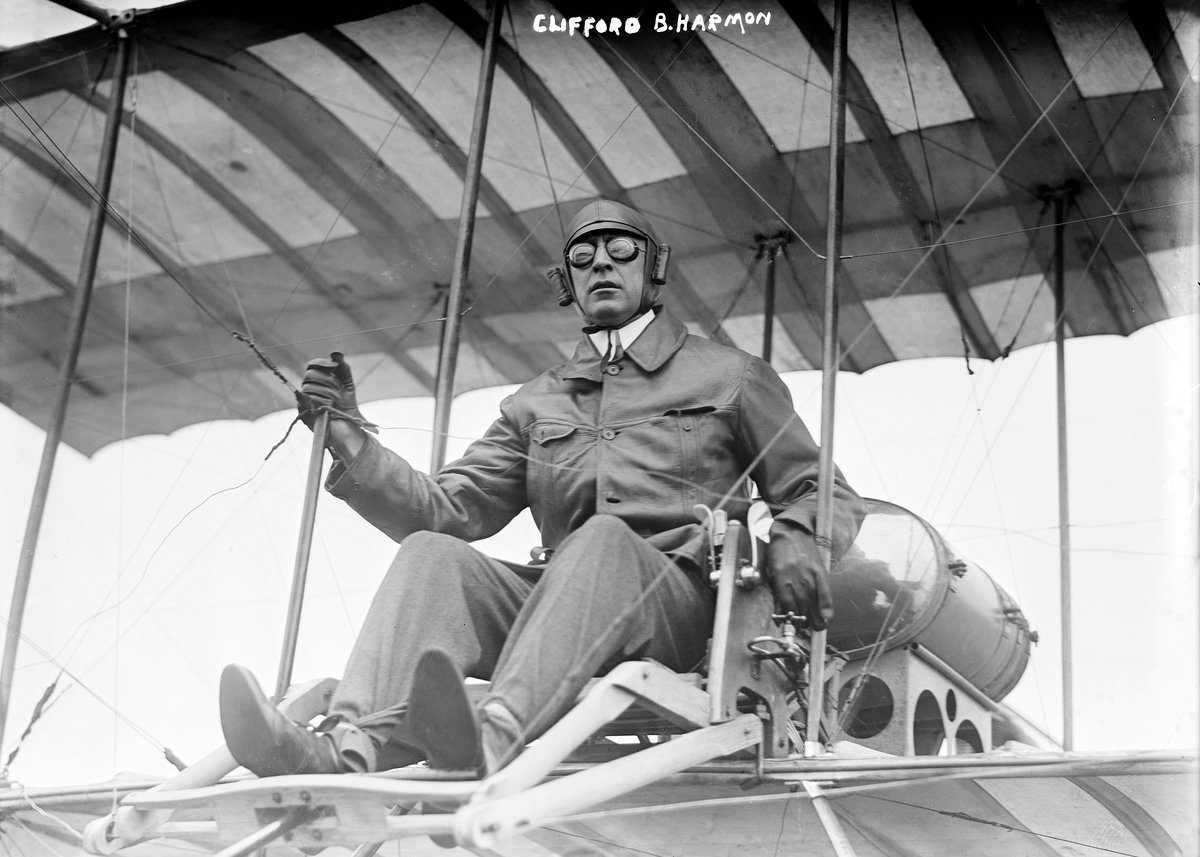
Clifford B. Harmon seated in biplane (1915), Library of Congress, George Grantham Bain collection. Public domain.
In this story · 3 sections
Clifford Harmon is the developer associated with the name Croton-Harmon. His brother William Elmer Harmon followed another route from real estate into philanthropy. The connection takes a local surname into the history of African American art—and into the question of who gets the means to exhibit work.
From land sales to a foundation
Carl Oechsner's local history traces the brothers' business beginnings with their uncle Charles Wood. It describes an installment-based land venture that grew into a much larger operation. This is a secondary account of the family and business, useful for the Croton connection but not proof of every promotional claim made for the enterprise. [1] [2]
William established the Harmon Foundation in 1922. Its interests included playgrounds, nursing and vocational guidance. It subsequently developed awards and exhibitions recognizing African American achievement. Archives of American Art collection guide
Making work visible
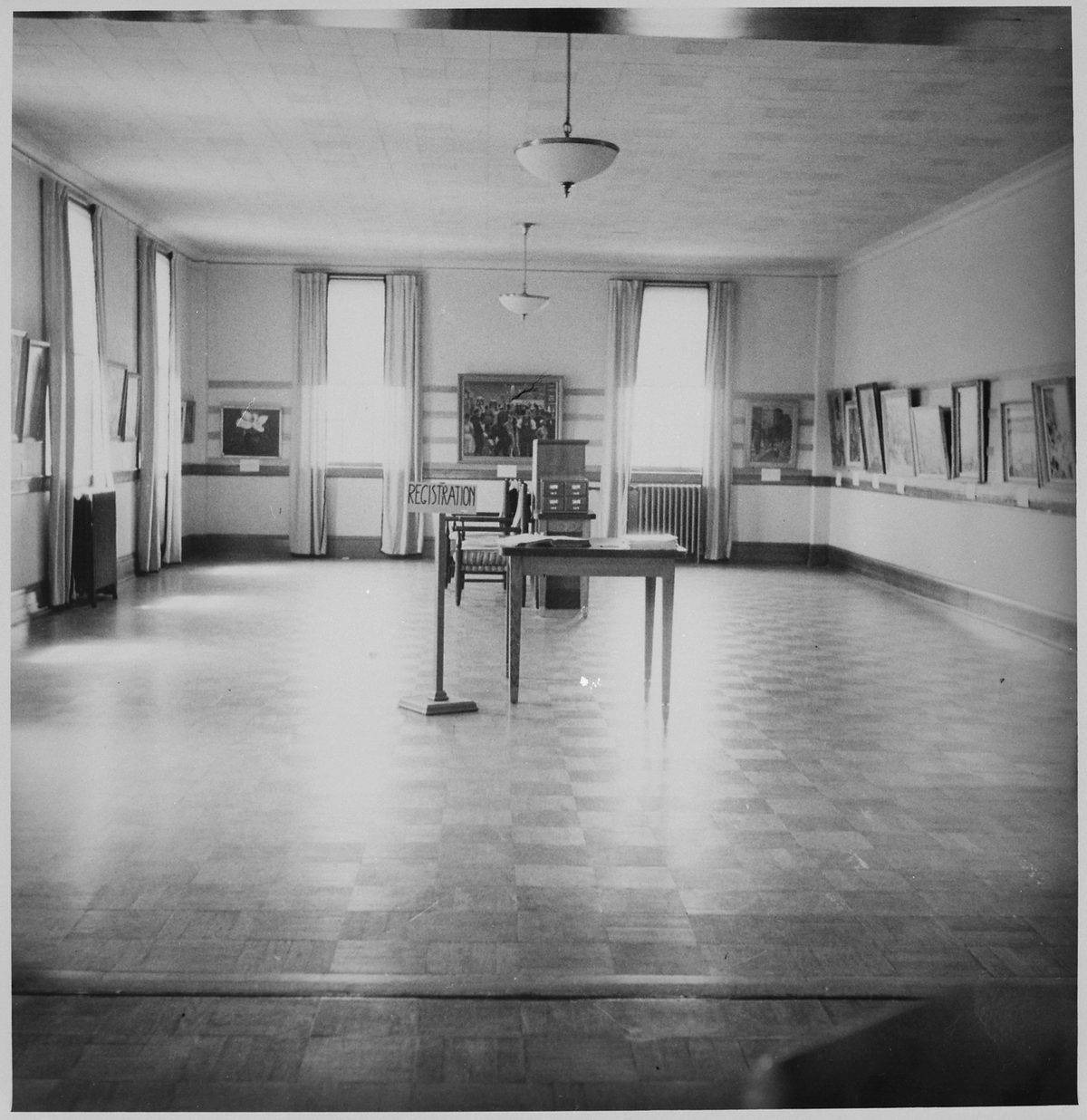
The foundation's exhibitions gave artists opportunities to show and sell their work, including through traveling shows. Smithsonian Libraries identifies figures such as Laura Wheeler Waring, Sargent Johnson and Langston Hughes among the wider awards program's recipients. Smithsonian account
The artists were already making the work. Patronage affected access, recognition and circulation; it did not create their talent. A history centered only on the benefactor risks making the artists supporting characters in their own achievement.
An exhibition catalogue preserved by the Smithsonian makes the story concrete. Its 1929 show included established and emerging artists, among them Archibald Motley, Palmer Hayden and Hale Woodruff. The catalogue is a route to the works and careers themselves. 1929 exhibition catalogue record
Follow the records beyond the name
The Archives of American Art preserves exhibition catalogues, clippings and other printed material relating to the foundation. Its guide also points to records at the Library of Congress and audiovisual material at the National Archives. Those collections allow the foundation's publicity to be compared with artists' careers and the reception of particular exhibitions.
Croton's connection to this history begins with a family name. Following it outward reveals a larger network of property, money, institutions and art. The useful question is not which brother deserves the more flattering portrait. It is what their enterprises made possible, for whom, and what the surviving records let us see.
Updated October 16, 2026. Rewritten with Smithsonian collection records and clearer attribution to the local biography. Removed invented motives and the unsupported claim that the foundation mounted the first exhibition exclusively of African American art.
Citations
Numbered citations link to the cited passage in the archive.
Follow the evidence
Sources are linked beside the claims they support. Numbered notes open archived passages; named links open the cited record or publication.