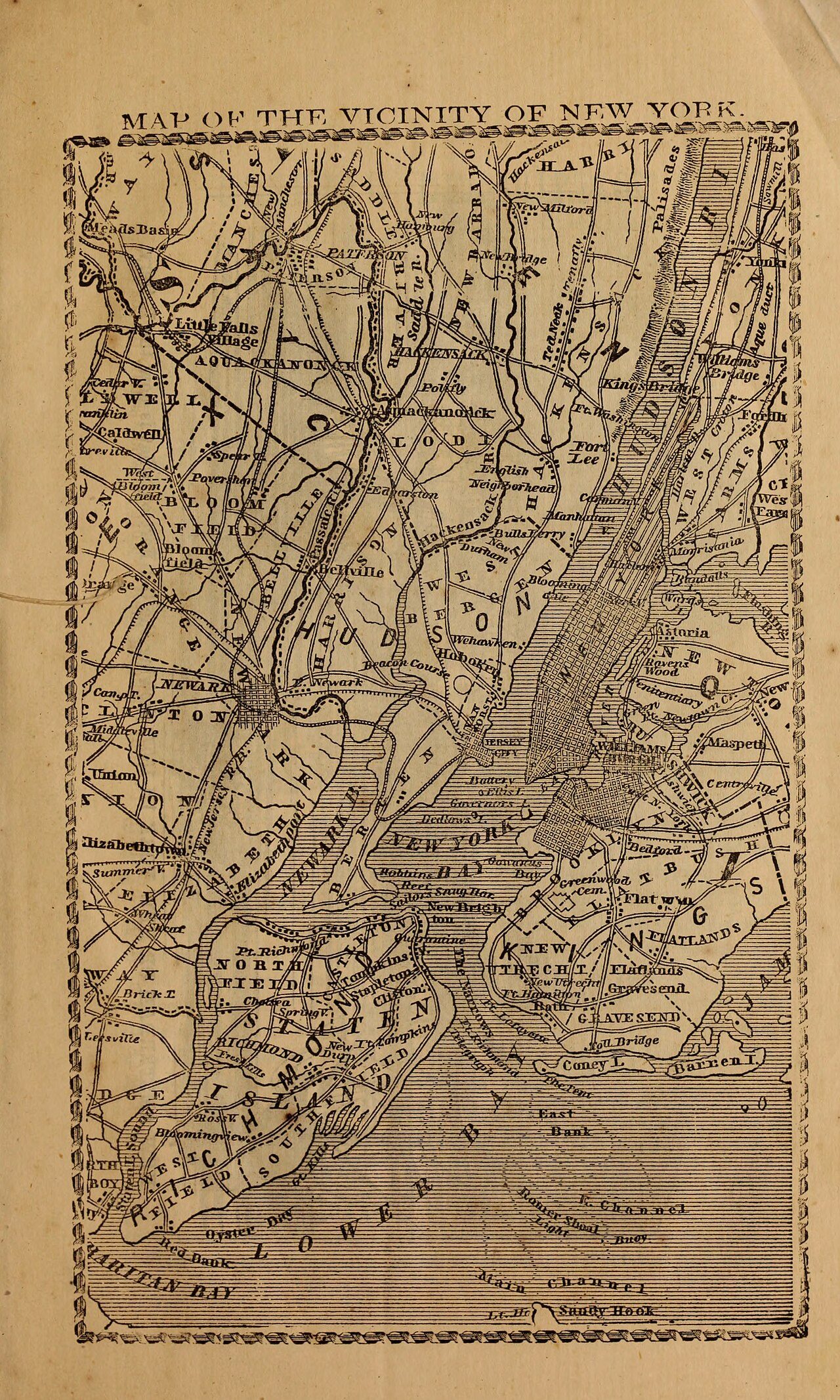
Title page of the 1857 Traveller's Steamboat and Railroad Guide to the Hudson River. Shows the kind of period travel guide that directed day-trippers to stops like Oscawana.
In this story · 4 sections
Oscawana carries several histories in one name: a colonial documentary trail, a river community and the remains of an estate. The surviving records are strongest when each is allowed to tell its own part of the story.
Askawanes in a deed
Bolton's transcription of a June 3, 1682 deed includes Askawanes among the Indigenous proprietors conveying a neck of land to Cornelius Van Burgum. The text records names and boundaries, including Navish and Senasqua. [1]
The name's position in a list does not establish the signatory's rank. Nor does the resemblance between Askawanes and later spellings prove that every occurrence refers to the same person. Our earlier article treated both inferences as near-certainties. Establishing the history of a place-name requires more than matching the sound of two words.
The estate behind the ruins
The Town of Cortlandt identifies the McAndrews Estate—also called Reusens Farm or Long View—as part of Oscawana Park in Crugers. Its account describes Guillaume Reusens assembling the estate and breeding racehorses. It cites 1912 court testimony listing houses, a racetrack and judges' stand, an ice house and a brick reservoir. Town history
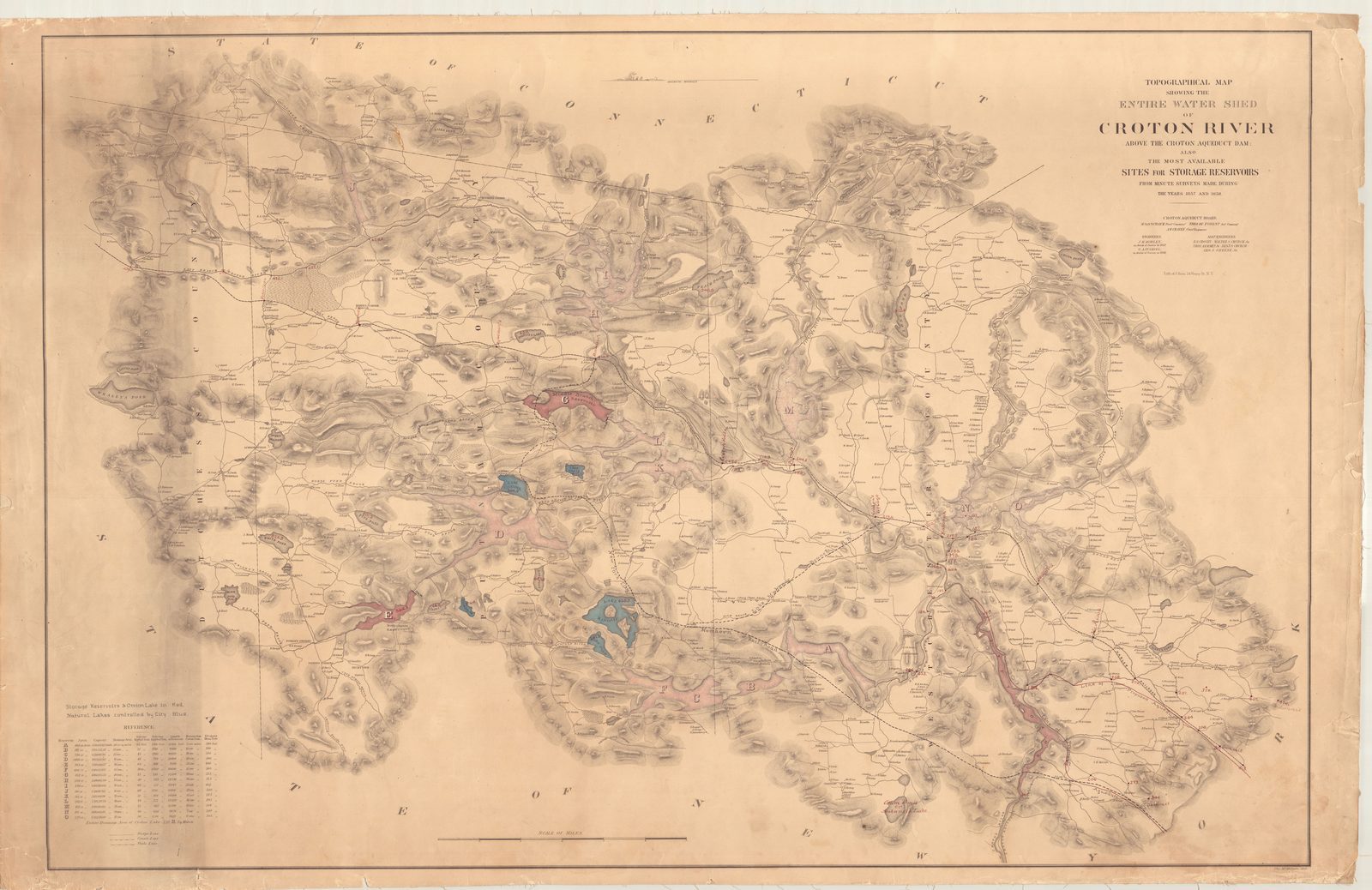
Those features suggest the work required to maintain a country estate: shelter, water storage, animals, staff and transport. The remains can be read as parts of that working system rather than as anonymous ruins.
A lawsuit, not a complete fortune
Reusens also appears in the record of Mexican Construction Company v. Reusens, reported in 1886. The court papers describe his monetary claim against the company and a judgment. The money attached at the bank belonged to the company, the opposing party—not evidence of Reusens's personal cash balance. Reported proceeding
The case establishes a financial dispute. It does not establish that Mexican railway investment was the source of his entire fortune, or prove every later claim about his European banking connections. Those assertions require separate business and personal records.
From private property to public landscape
Cortlandt's fuller history follows the estate into the McAndrews years and the county's acquisition. It describes a property that deteriorated after its last private residential use, followed by condemnation proceedings and the demolition of many structures. It also identifies uncertainties in the land history. Town history, April 2026
A visitor encounters the result of those changes: a place whose buildings no longer give a complete explanation of how it worked. Historic photographs, survey maps and court inventories can restore some of that context. They should be compared before assigning a surviving foundation a name or a date.
Oscawana rewards this patient kind of reading. The colonial name, estate papers and public park are related through place, but they do not form a seamless biography of one person or one parcel. The gaps are opportunities for further research, not spaces to fill with a confident story.
Updated October 16, 2026. Corrected unsupported conclusions about Askawanes’s rank and identity, Reusens’s wealth and the ownership of money attached in litigation. Replaced conflicting acquisition dates and invented estate scenes with attributed town history.
Citations
Numbered citations link to the cited passage in the archive.
Follow the evidence
Sources are linked beside the claims they support. Numbered notes open archived passages; named links open the cited record or publication.