Land & belonging
Croton Point, layer by layer
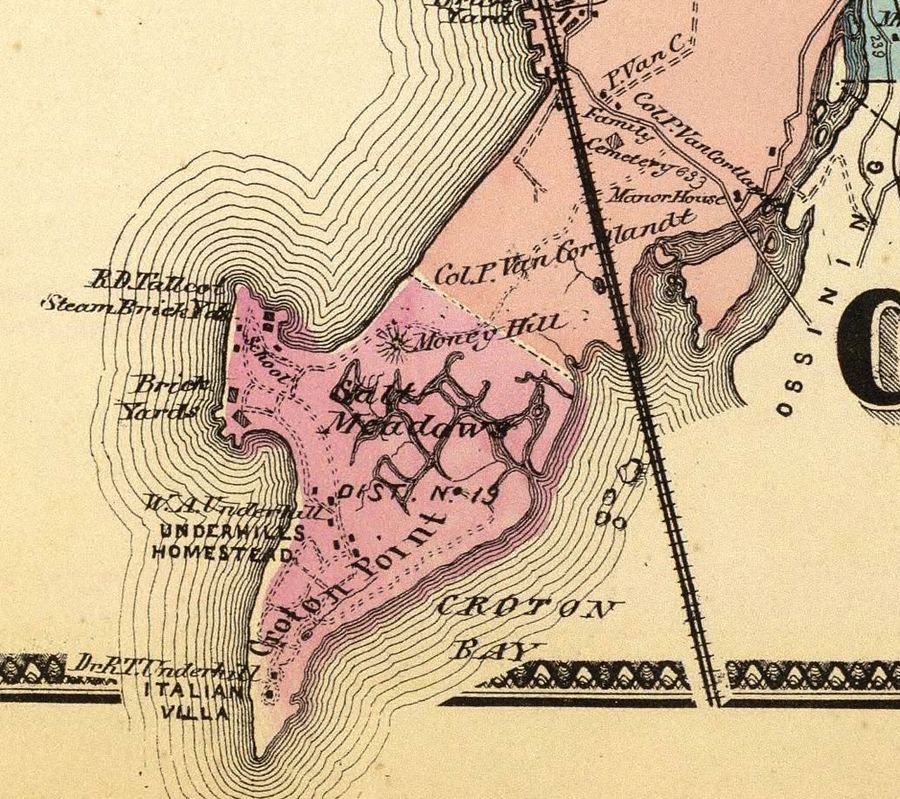
Indigenous occupation, vineyards, brickmaking and a landfill have each left a mark on today’s county park.
Articles, photographs, maps and original records.
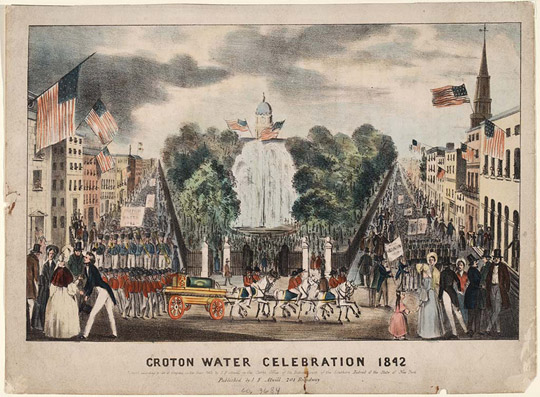
October 14 marks 184 years since the 1842 Croton Water Celebration. Watch our new Croton Ode lyric film and explore the poem, the aqueduct and the historical score behind the anniversary.
Read article →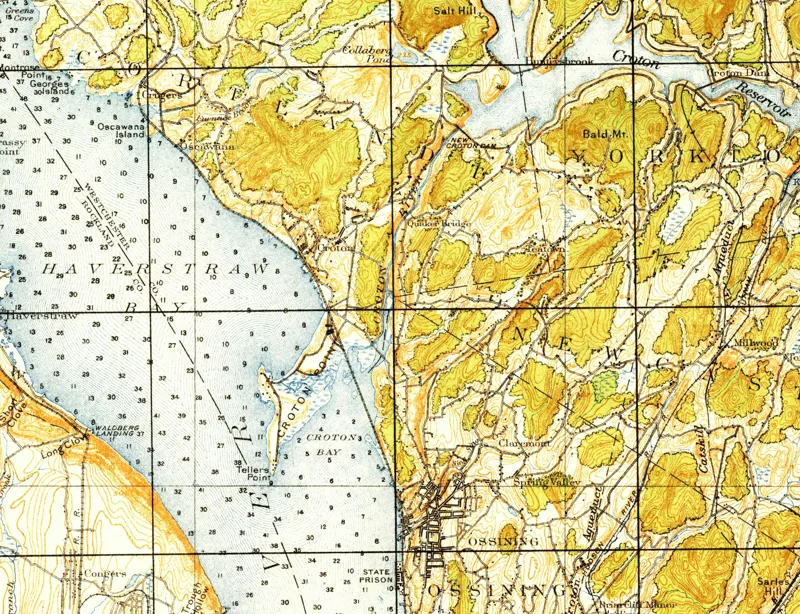
Compare old maps with modern streets. Locate Native sites, the waterworks, railways and events, with sources for each.
Open the interactive map →Aqueducts, reservoirs, work and the riverfront.
Wartime Westchester, remembered and contested.
Indigenous history, dispossession, slavery and changing land use.
Vineyards, artists, Prohibition and the places we protect.
Source comparisons and questions for further investigation.
Indigenous occupation, vineyards, brickmaking and a landfill have each left a mark on today’s county park.
The engineer behind two books on statistical graphics, and the sanctuary that carries his name.
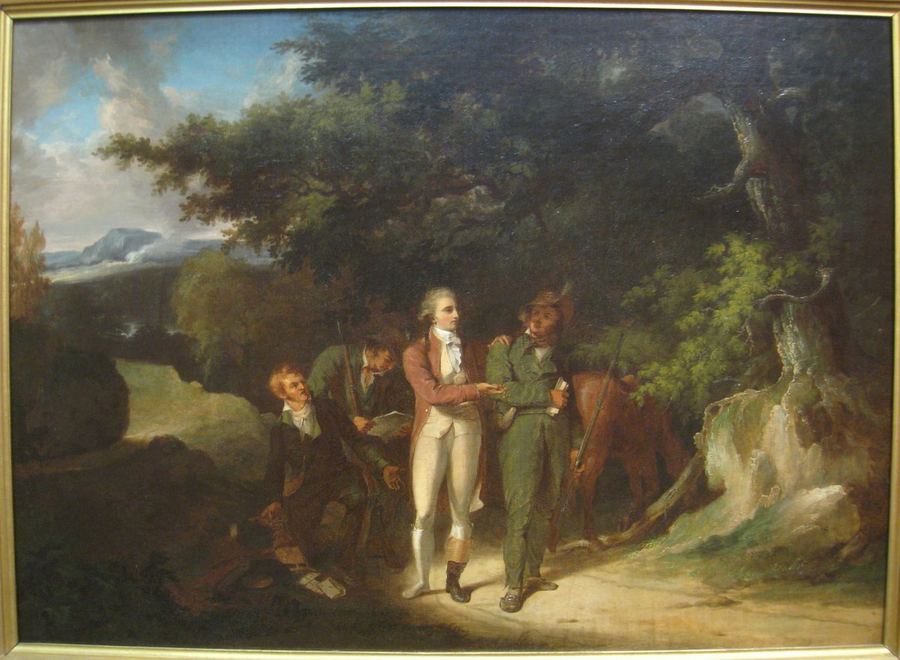
Letters, military records and veterans’ later testimony separate the Vulture cannonade from the disputed story of Peterson and Sherwood.
Six events, with contemporary sources and disputed details.
John Lamb writes that he has sent the ammunition Livingston requested for firing a four-pounder at a ship.
Open the source ↗Captain Sutherland reports that concealed men fired on a boat he sent to Teller's Point. He names no shooters and reports no injury. Weigel dates this encounter September 21; the surviving letter's docket and printed transcriptions differ.
Open the source ↗André leaves the Vulture and meets Arnold on the Hudson's western shore.
Open the source ↗The Vulture withdraws from range. Livingston's artillery preparations are documented; the later account of Peterson and Sherwood guiding an officer remains uncorroborated.
Open the source ↗André travels in non-regimental clothing under the name John Anderson, carrying intelligence from Arnold.
Open the source ↗John Paulding, David Williams and Isaac Van Wart stop André; papers found on him expose his mission.
Open the source ↗Events are spaced equally for reading; spacing does not measure elapsed time. The boat encounter’s exact day is disputed. Read the account and its sources →
These charts describe our collection, not the frequency or importance of events in Croton’s past.
Categories follow archive filenames. A source file may contain many passages; image descriptions are text records, not a count of photographs.
Story counts come from the published Markdown collection, grouped once per subject. News-format history features are listed separately. Archive counts group distinct source filenames; word totals sum stored passage counts. Counts are calculated directly from the collection.
| Material | Source files | Words |
|---|---|---|
| Image descriptions | 833 | 54,300 |
| Interview transcripts | 419 | 306,882 |
| Documents and other texts | 344 | 10,346,633 |
Archaeology, Native communities and colonial encounters
Van Cortlandt Manor and Dutch Westchester
Skinners, Cowboys, and the Arnold-André affair
Water supply, engineering and construction
Incorporation and the making of the village
Harmon, Prohibition, and modern Croton
Shell middens, vineyards, brickyards, a landfill, a park
Residential development and the railroad
Steamboats, docks, and the riverfront
The crossing above the gorge
Construction, labor and water supply
The manor and its surrounding lands
In the 1840s and early 1850s, John M. McDonald recorded Westchester residents’ memories of the Revolution. Read 418 cataloged items alongside manuscript images and transcriptions.
These are recollections recorded decades later. Their disagreements are part of the evidence.
Read the interviews →