When New York Threw a Party for Croton Water
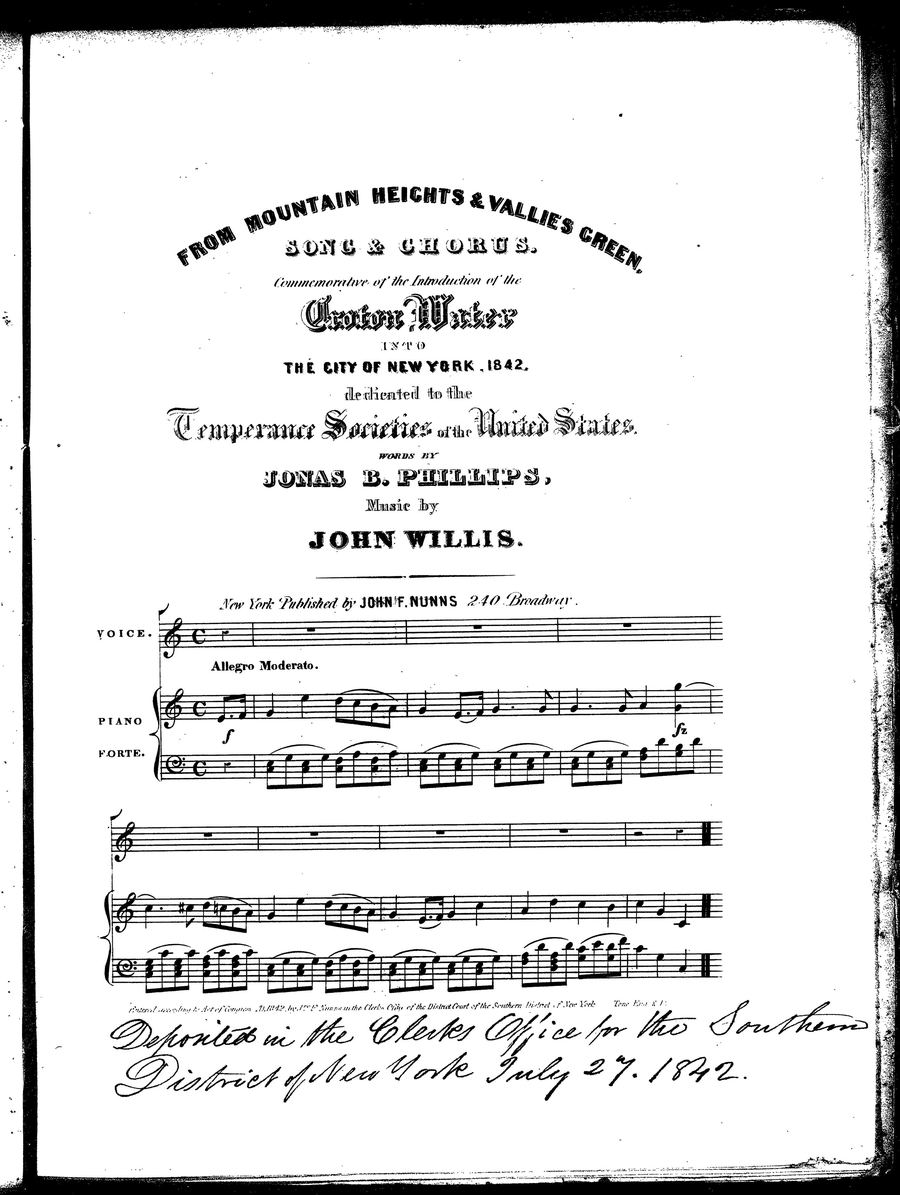
October 14 marks 184 years since the 1842 Croton Water Celebration. Watch our new Croton Ode lyric film and explore the poem, the aqueduct and the historical score behind the anniversary.
Croton and Westchester history, with references to the source records.
October 14 marks 184 years since the 1842 Croton Water Celebration. Watch our new Croton Ode lyric film and explore the poem, the aqueduct and the historical score behind the anniversary.
From manor rents paid in hens to a Revolutionary spy selling eggs, Croton's historical record is full of poultry — and the village's relationship with backyard livestock is older than the nation.
Filters search this reading list. For names and phrases inside the records, use archive search.
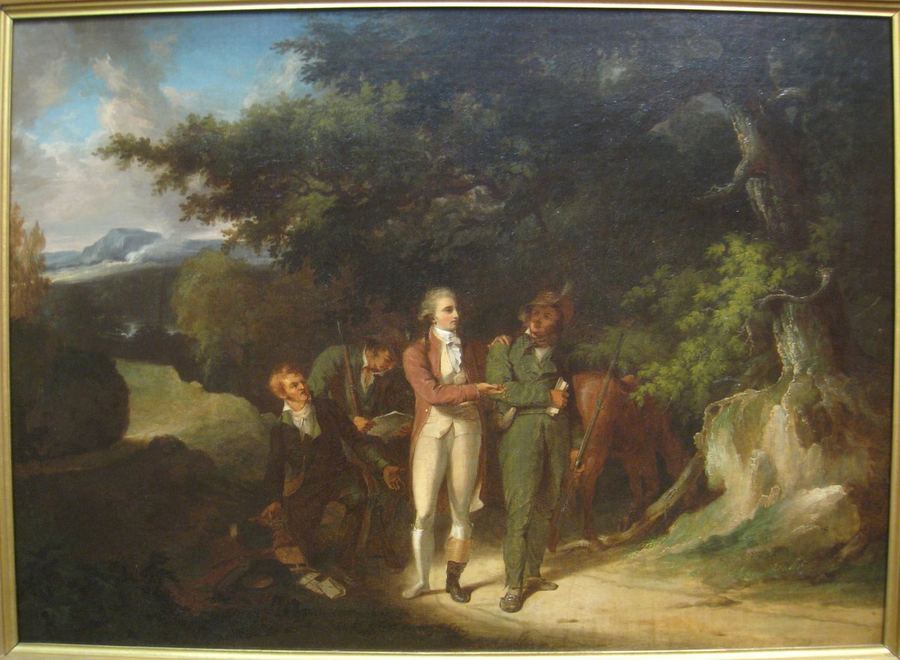
Letters, military records and veterans’ later testimony separate the Vulture cannonade from the disputed story of Peterson and Sherwood.
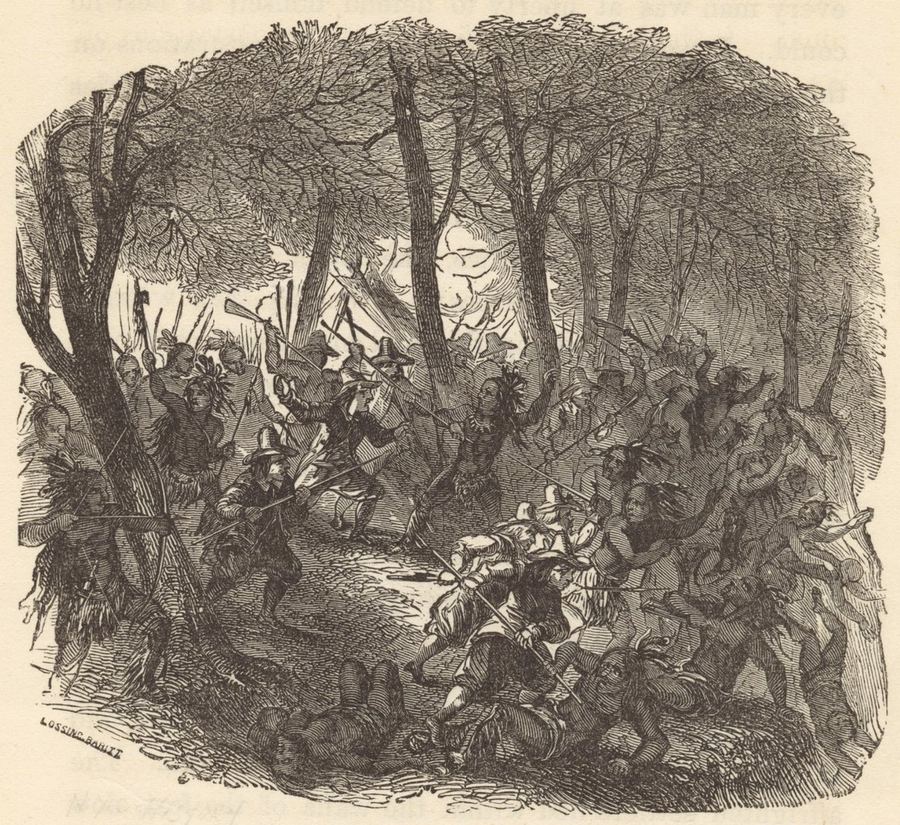
How Dutch accounts connected a 1626 killing with the violence of Kieft’s War, and what those accounts leave us to question.
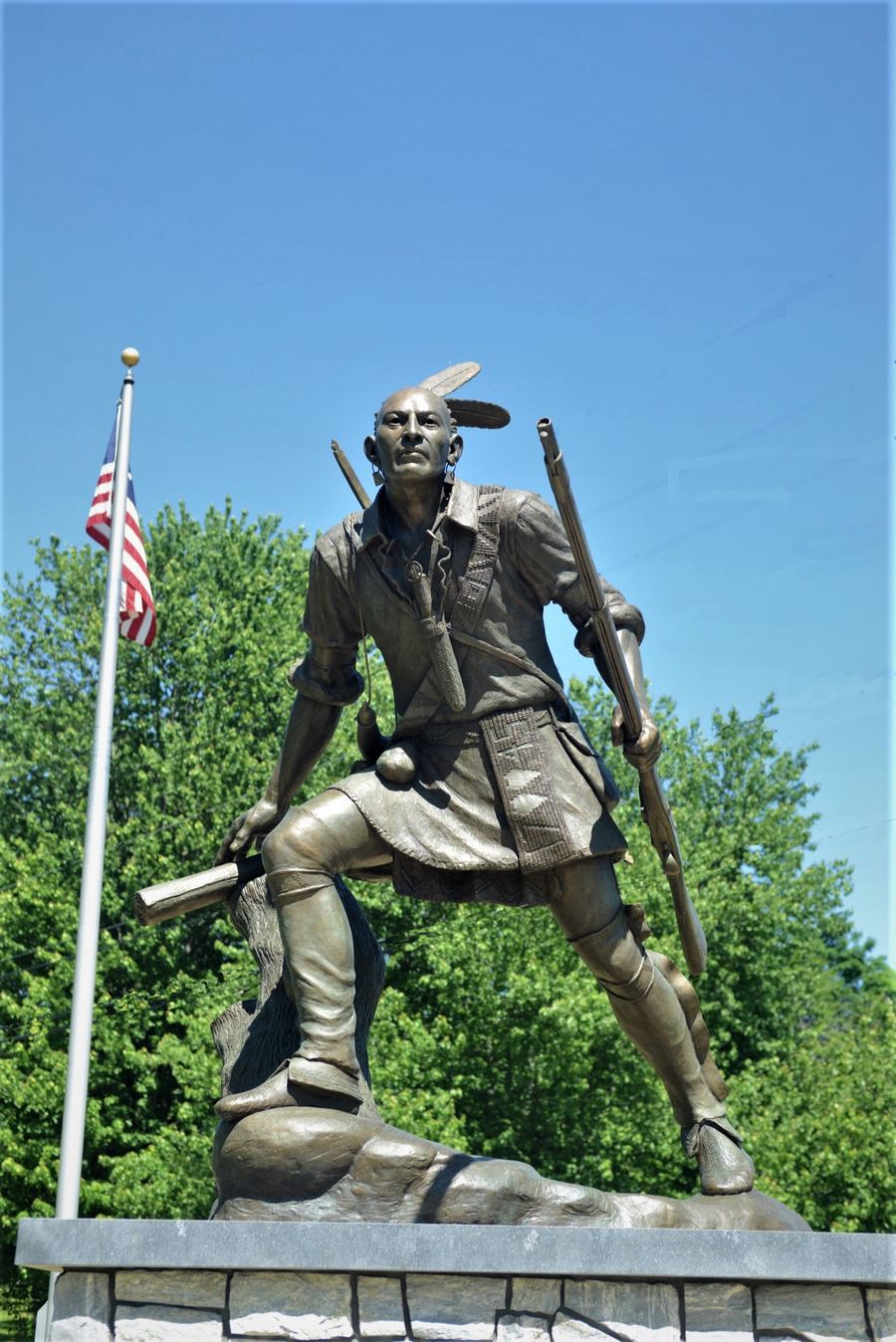
The Wappinger leader’s struggle for his people’s land, his appeal in London, and his service during the Revolution.
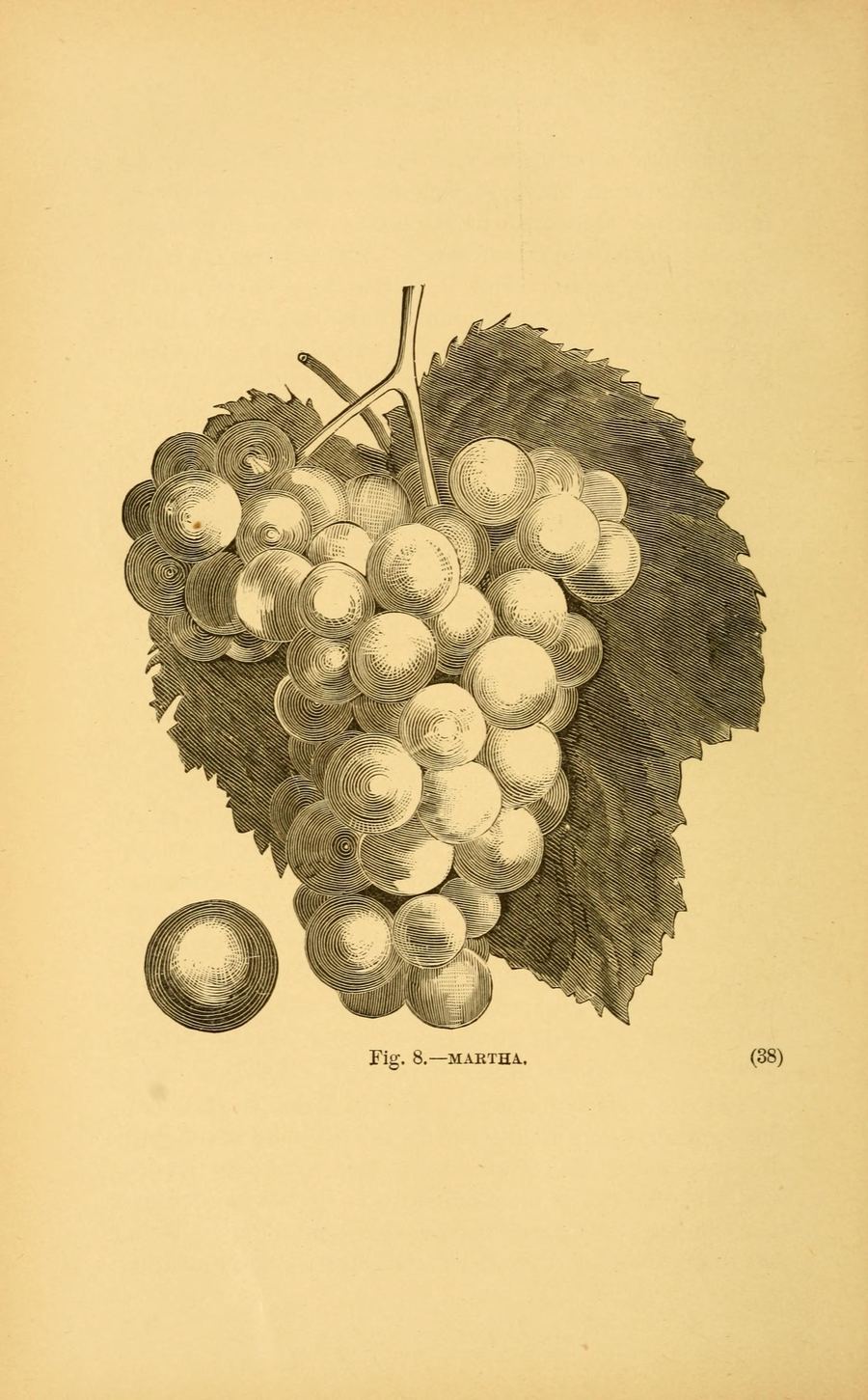
Richard T. Underhill’s experiments in grape growing and the Senasqua name that survives in Croton’s landscape.
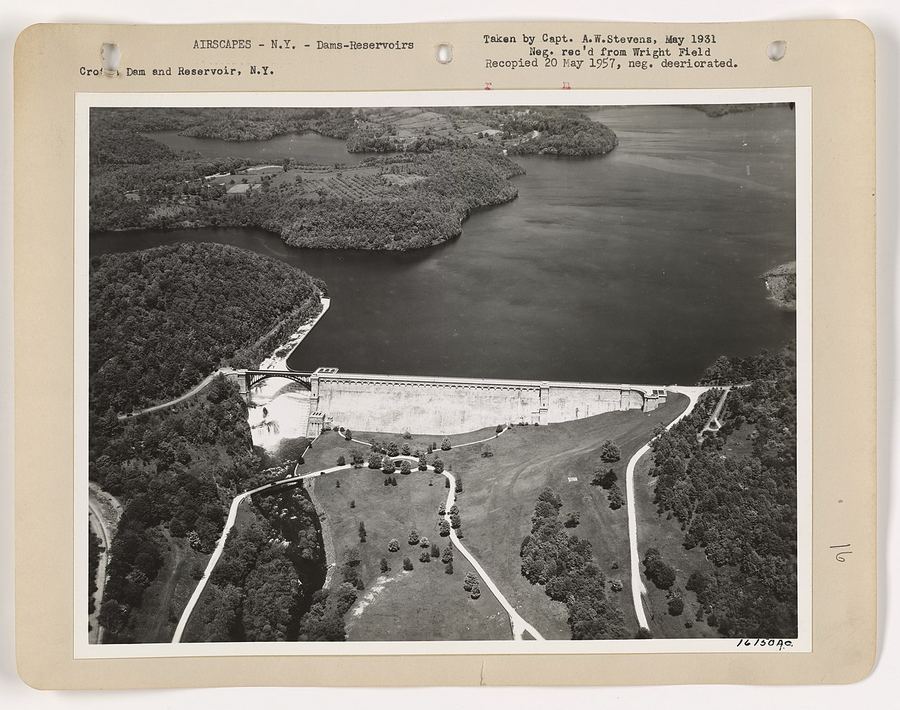
Behind the New Croton Dam: immigrant labor, the padrone system, and the settlement known as Little Italy.
An earlier account of the tea raid, read alongside the later examination of the McDonald interviews.
Wills, deeds and later recollections reveal the people held in bondage by prominent Hudson Valley families.
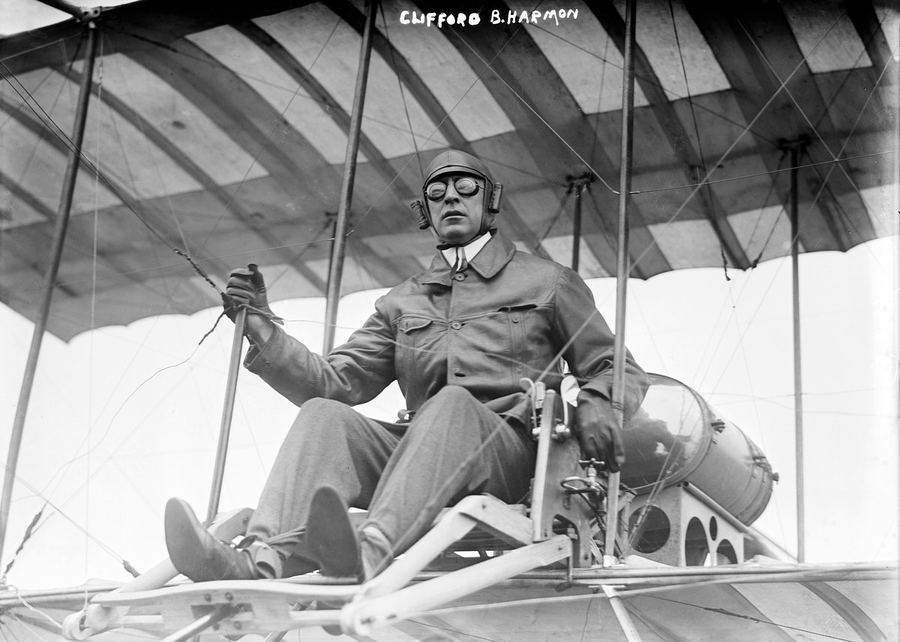
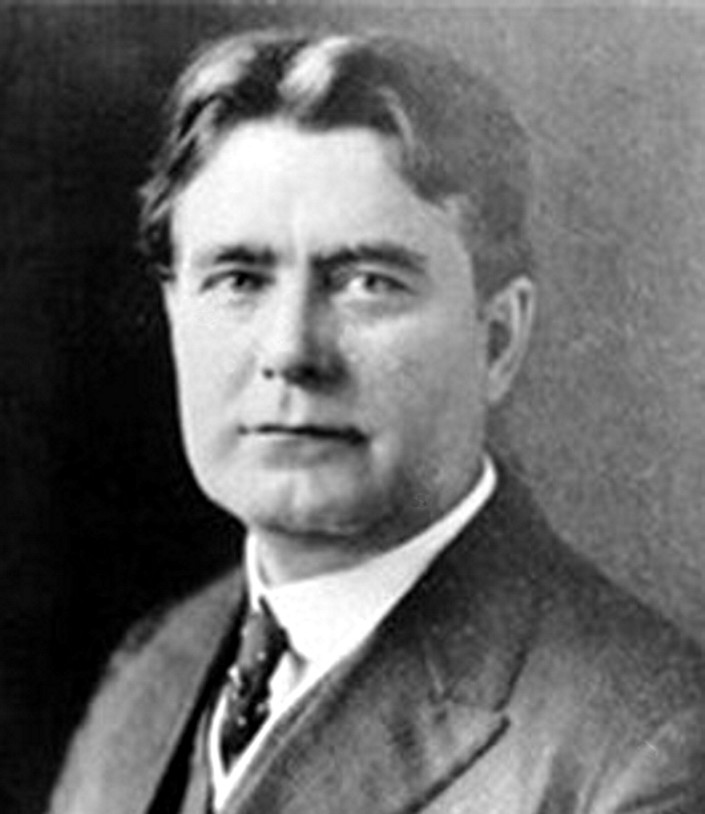
William Harmon’s path from real estate to support for African American artists, alongside his brother Clifford’s suburban ambitions.
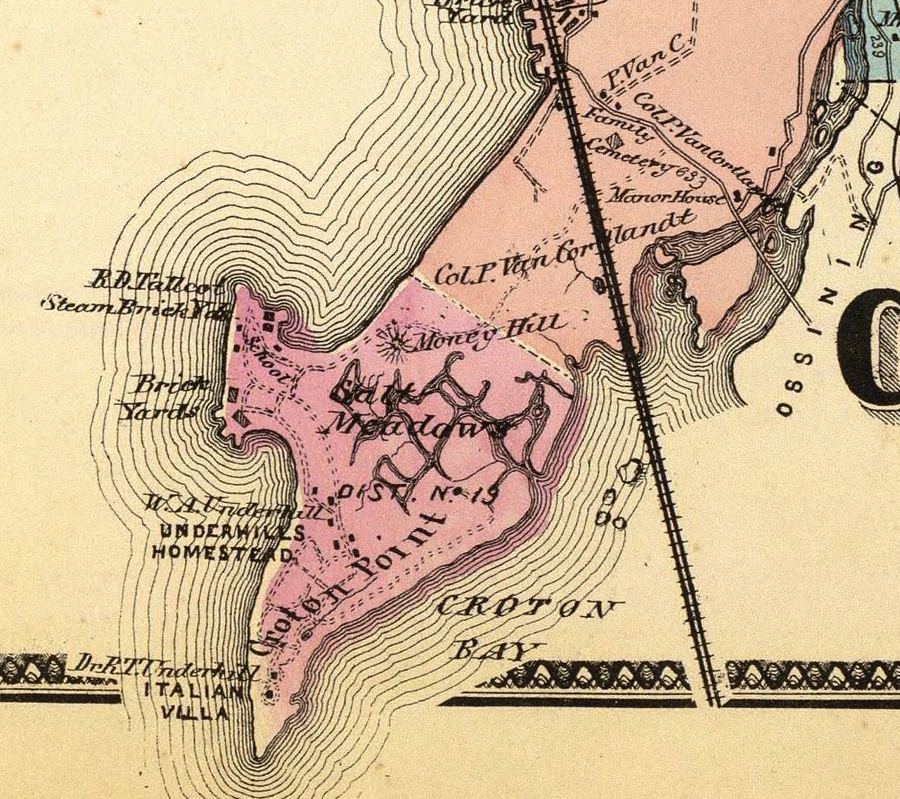
Indigenous occupation, vineyards, brickmaking and a landfill have each left a mark on today’s county park.
A crashed plane, roadhouses and enforcement raids reveal a village caught up in the illicit liquor trade.
Read the verse inspired by the aqueduct, from the 1842 celebration ode to Lydia Maria Child’s poem.
The engineer behind two books on statistical graphics, and the sanctuary that carries his name.
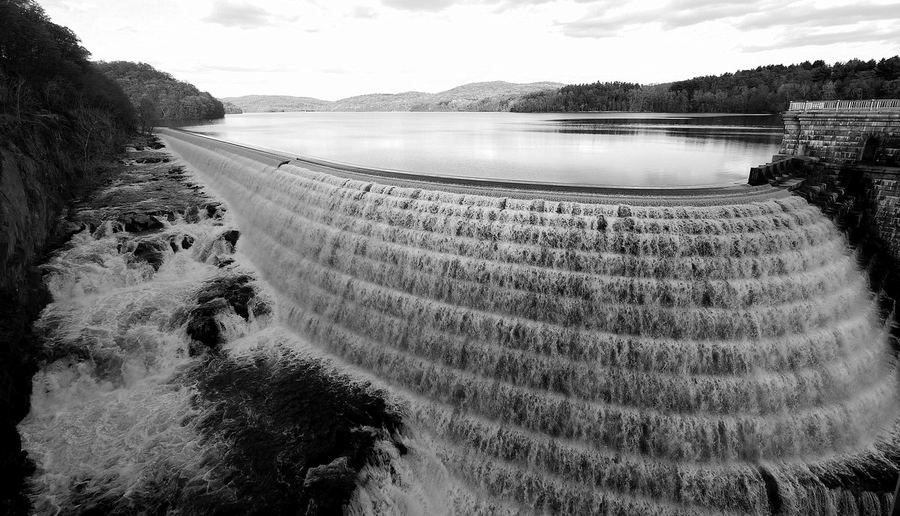
The construction, labor history and public landscape behind a familiar Westchester view.
Conflicting memories of a tea raid meet the later history of the lake, estates and nature preserve.
A name in a colonial deed, a later estate, and the landscape that became a county park.
The estate, county acquisition and Civilian Conservation Corps work behind the reservation.
The working waterfront and the changes that made today’s riverfront park.
The riverfront industries and public acquisition behind a familiar Hudson River destination.
Follow the Westchester route of the Old Croton Aqueduct, from a working water system to a state historic park.
An annotated collection of source comparisons. Each finding should be read with its evidence and qualifications.
The McDonald interviews complicate a familiar story: the leader’s name, the target, and whether witnesses recalled the same incident.
Later interviews describe the May 1781 attack on Christopher Greene’s command and the people caught in its path.
Veterans and neighbors recalled a small militia company’s encounter with Loyalist cavalry in December 1781.
Tracing raids, routes and conflicting recollections of wartime destruction in northern Westchester.
The McDonald interviews offer conflicting portraits of a Loyalist cavalry officer, his raids and his death.
Later witnesses agreed that Knapp was executed. Their accounts differed over the horse theft used to justify it.
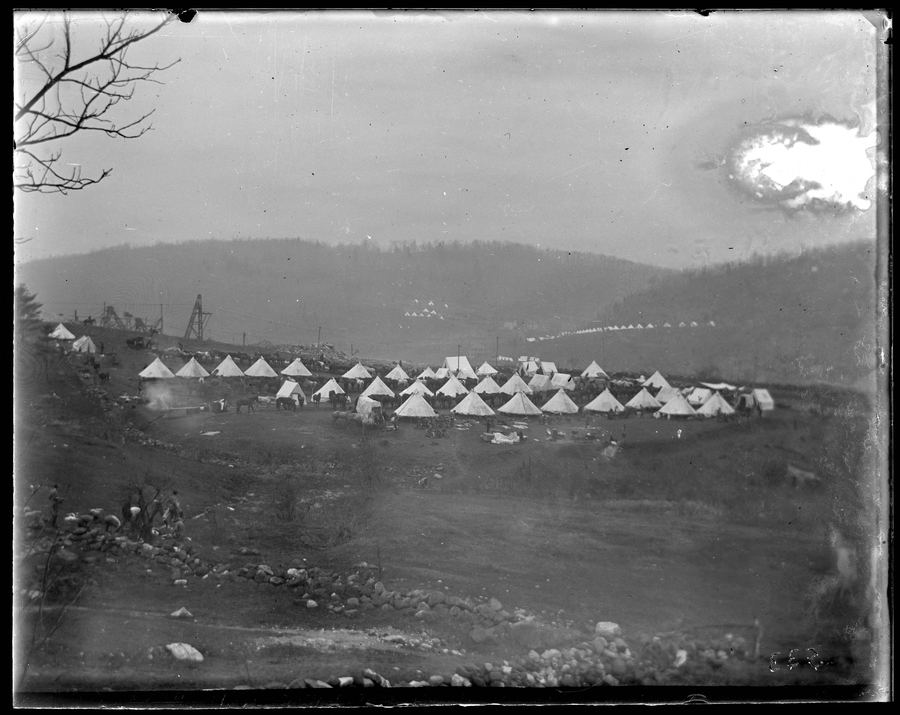
Contemporary newspaper reports trace the killing of Sergeant Robert Douglass and the suppression of the April 1900 strike.
No stories match these filters. Try a different word or choose “Show all.”