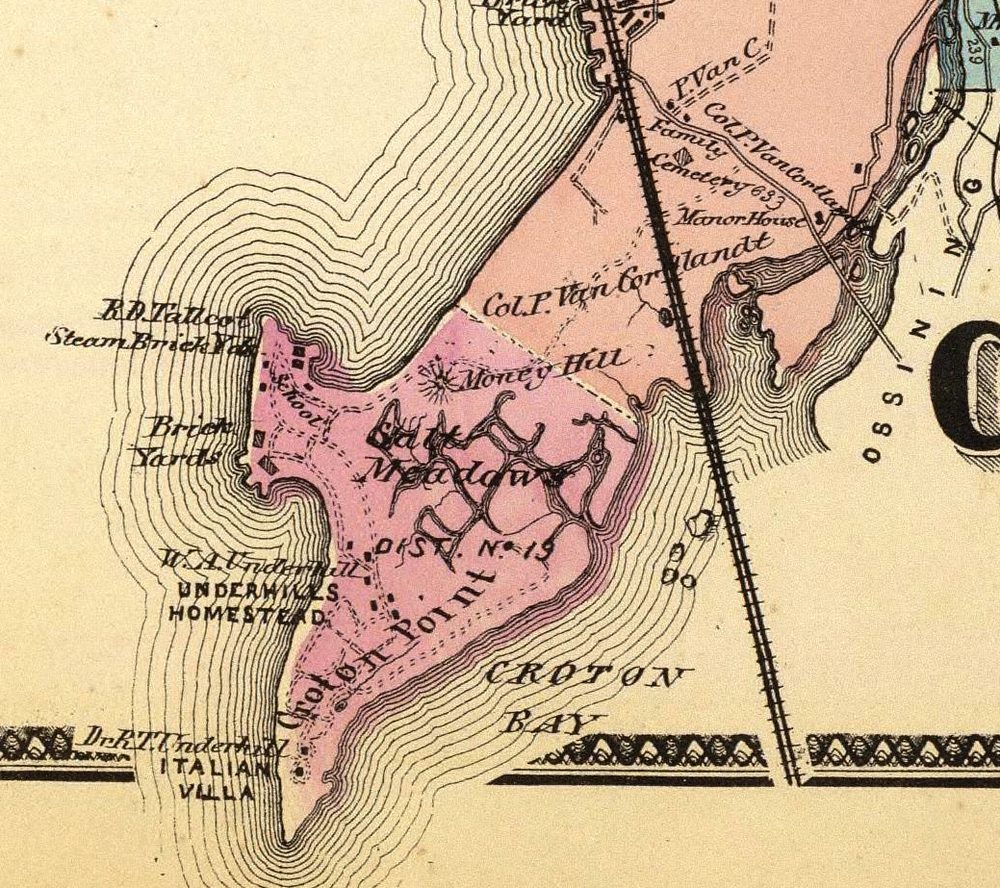
Croton Point Park on the Hudson River (NARA archive). Public domain.
In this story · 4 sections
Croton Point is often described as a succession of places: an Indigenous settlement, a vineyard, a brickyard, a dump, a park. The order is too neat. Grapes and bricks were businesses on the peninsula at the same time. Public recreation and waste disposal also overlapped. The history of this 508-acre county park is a story of competing uses of the same shore.
Before the county park
Westchester County identifies evidence of human occupation extending back thousands of years. Archaeological deposits establish that long history; they do not establish that one named community occupied the entire peninsula continuously for seven millennia. The names in colonial documents belong to a much later part of the record. Croton Point Park
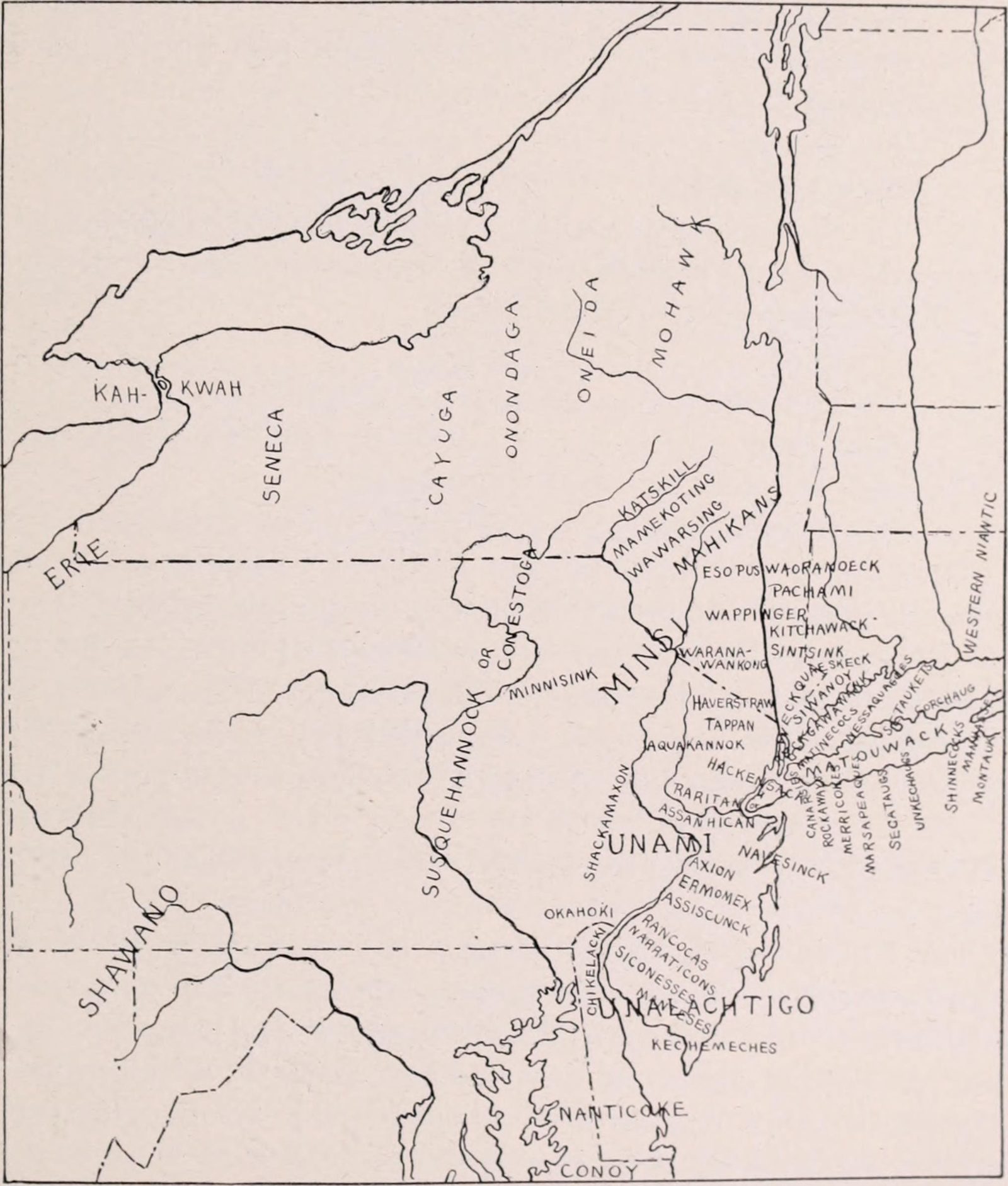
A deed dated June 3, 1682, transcribed in Bolton's county history, names Indigenous proprietors and describes a neck of land called Navish and a meadow called Senasqua. It is valuable evidence of names, boundaries and a colonial transaction. It cannot, by itself, tell us what every signatory understood about the transfer or what happened to every family afterward. [1]
Vineyards beside brickworks
The Underhill brothers developed different businesses here in the nineteenth century. Richard T. Underhill became associated with grape growing and wine; William Underhill with brickmaking. The county's history describes the division of the property and the industries that developed on it. These were overlapping enterprises, not a vineyard era followed by a brick era. County history of Croton Point
Lossing's 1866 account provides a view from that period. He described vineyards belonging to both brothers, with about sixty acres attributed to the doctor within roughly eighty acres of vineyards overall. Such figures describe a particular account at a particular time; they should not be treated as the property's permanent dimensions. [2]
A park and a landfill
The county dates its purchase to July 2, 1923. That matters because the park did not begin only after the landfill closed. Public recreation occupied parts of Croton Point while other parts received waste. County history
The landfill's June 2019 periodic review gives the more precise disposal chronology. The original, unlined landfill operated from 1927 to 1986. Other disposal areas had their own operating periods. The report describes the caps and systems for managing leachate and landfill gas—evidence that closing a landfill begins a continuing engineering obligation. 2019 periodic review, site history
It is tempting to describe today's green surface as nature erasing the dump. That misses the work underneath. The public landscape and the managed disposal site are both part of the peninsula's present.
Read the landscape in more than one direction
Croton Point's history rewards comparisons: a nineteenth-century description beside a county acquisition history; a deed beside archaeological evidence; a park map beside an environmental report. Each records something different. None is a complete biography of the ground.
For the Revolutionary episode at the southern point, see Teller's Point: the cannonade and the legend. For the vineyards, continue with the Underhills and Senasqua.
Updated October 16, 2026. Rewritten to correct the sequence of land uses: the vineyards and brickworks overlapped, and the county park predates the landfill’s closure. Earlier claims assigning all ancient occupation to a single named community have been removed.
Citations
- The History of the Several Towns, Manors, and Patents of the County of Westchester (1881 revised edition, Vol. I)
- The Hudson, from the Wilderness to the Sea
Numbered citations link to the cited passage in the archive.
Follow the evidence
Sources are linked beside the claims they support. Numbered notes open archived passages; named links open the cited record or publication.