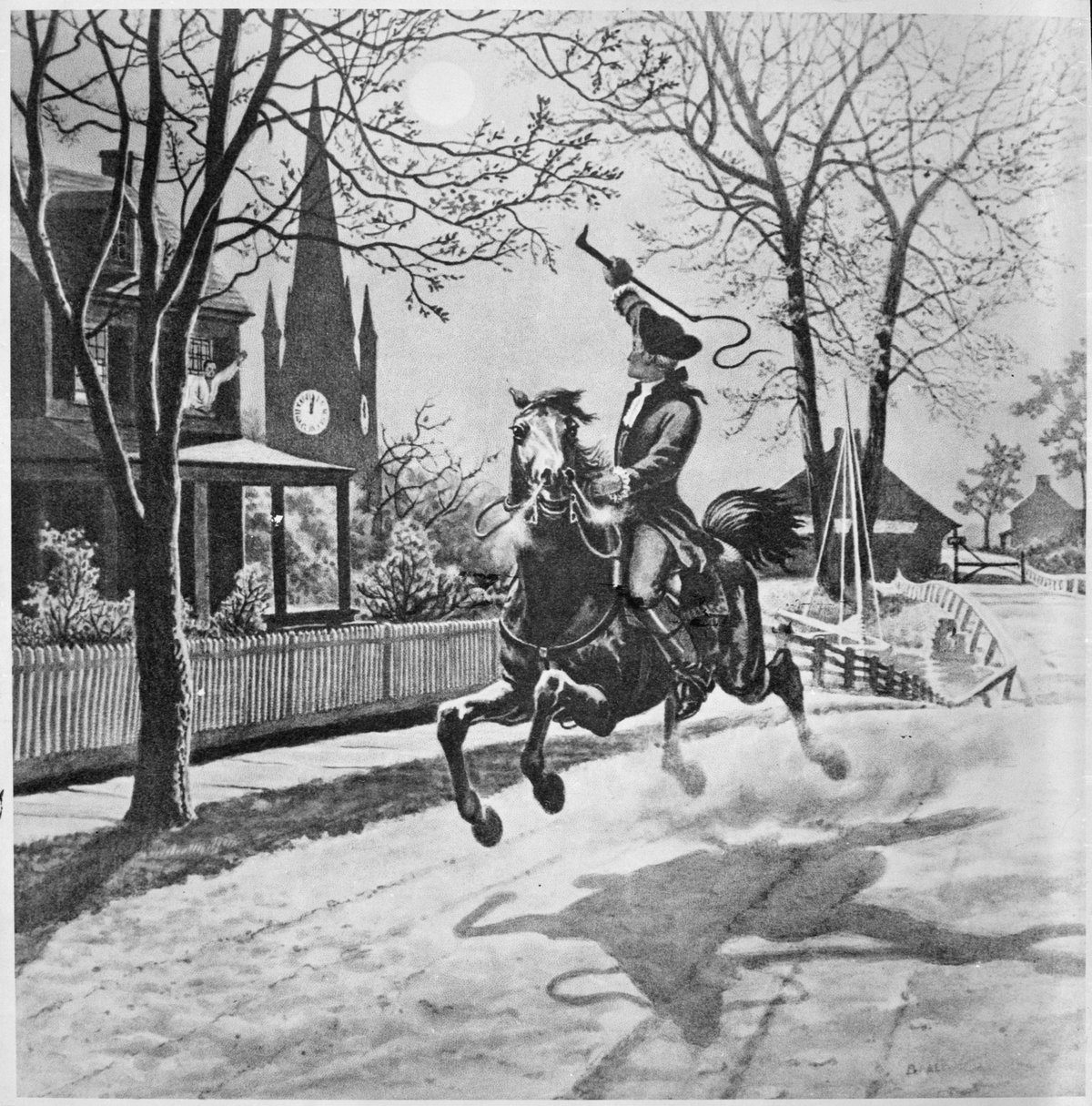
Illustration from the existing archive; not a contemporary depiction of the event described here.
In this story · 5 sections
Talman Orser gave John M. McDonald a name: Sarah Orser. He also supplied a target, a tea peddler called James Dunlap, and a group of fifteen or twenty women. Other interviews preserve a tea captain and a confrontation over tea, but change important details. The question is how far those accounts can be joined.
Talman's account
The interview places the women on a road, waiting for the peddler and compelling him to accept Continental money. Its continuation identifies Sarah as the wife of Albert Orser. The manuscript transcription also records damage to the page. The physical state of the source matters when interpreting what may be missing. [1] [2]
This is the strongest specific name in the passages examined here. It deserves to be reported as Talman's identification. It does not license a modern writer to substitute a different given name without explaining the evidence.
The tea captain in other memories
Samuel Washburn recommended Talman as a source of Revolutionary information and described him as the tea captain's son. The recommendation gives insight into McDonald's research: interviewees directed him to other people. It also warns against assuming that every account in the collection developed independently. [3]

Benjamin and Gilbert Kipp also connected Talman with the tea captain. Their account concerned Arthur's tea and offered Bedford, or perhaps North Castle, as the location. That uncertainty is in the source and belongs in the story. [4]
One incident or more than one?
The differences are substantial. A peddler intercepted on a road is not automatically the same target as a householder in another place. One possible reading is that more than one confrontation has been folded into the tea-raid tradition. Another is that the details changed as one event was remembered and retold.
Our analysis favors keeping both possibilities open. The sources support an organized action by women in the remembered history of the area. They do not yet supply a secure basis for combining every vivid detail into one scene, or for declaring the two-incident interpretation proved.
How a name becomes a certainty
A manuscript, an archivist's catalogue description and a modern narrative are different layers. A later catalogue can help identify a person, but an identification should be checked against the document and family records before being presented as settled. The same applies to a number of participants or an exact date added in later retellings.
This is why the earlier headline, which categorically rejected one name in favor of another, went beyond the comparison itself. Sarah is the name Talman supplied. That is a clear, reportable finding. Whether it resolves every version of the tea captain's identity is a separate question.
A story worth retaining
The women's action remains the center: they are remembered as organizing together and imposing terms in a wartime economy. The disagreements concern how to reconstruct that action. They make the source comparison necessary, not the women less important.
Read the earlier story's correction, Teatown's later landscape, or open the McDonald collection to examine the records behind the tradition.
Updated October 16, 2026. Rewritten to distinguish Talman Orser’s identification from a settled verdict on every version of the story. Removed unsupported claims of first publication and treated the two-incident reading as an interpretation.
Citations
- Interview with Orser, Talman
- Interview with Orser, Talman
- Interview with Washburn, Samuel
- Interview with Kipp, Benjamin and Kipp, Gilbert
Numbered citations link to the cited passage in the archive.
Follow the evidence
Sources are linked beside the claims they support. Numbered notes open archived passages; named links open the cited record or publication.