
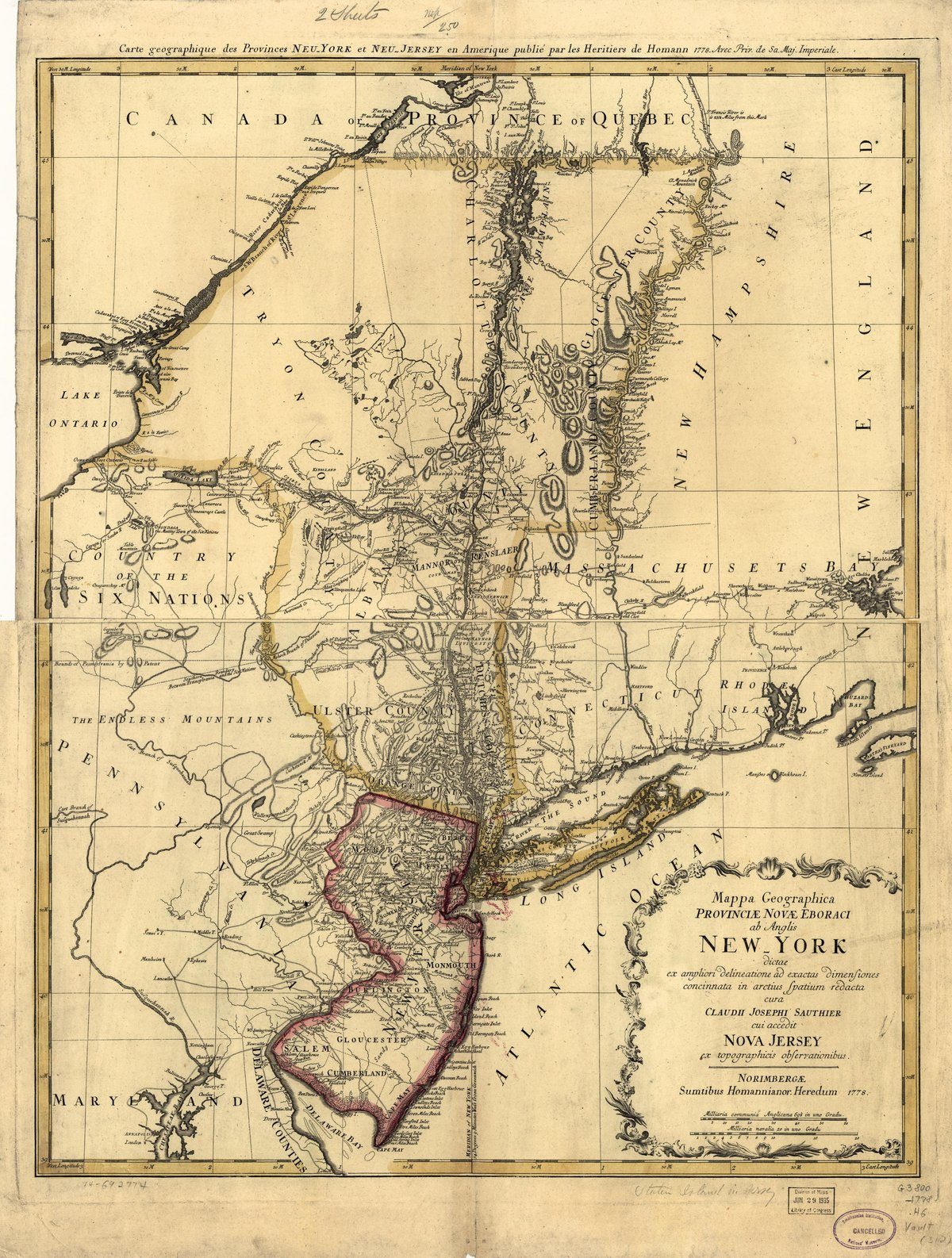
Revolutionary War military map showing American and British positions from Frog's Point to the Croton River, October 1776. Boston Public Library, public domain. The geography of the Neutral Ground around Pines Bridge is visible in the upper-right corner of the map.
In this story · 5 sections
Joshua Carpenter described a house he knew. John M. McDonald recorded his account of its doors, rooms and surviving bullet holes, and of the attack on Colonel Christopher Greene's headquarters in May 1781. Carpenter also explained where his story came from: ancestors, particularly his grandfather. [1]
That sentence changes how the account should be read. Carpenter's familiarity with the building was direct. Much of his narrative of the fighting was inherited.
A house as evidence
Carpenter identified the house as Richardson Davenport's and described its relationship to roads, the river and nearby crossings. In a later passage he pointed to bullet holes and explained alterations to rooms and windows. The interview preserves a nineteenth-century description of a building associated with the attack. [2]
It does not make every recalled movement inside the house independently verifiable. Physical traces and family narrative appear together, and the reader needs to know which is which.
Accounts that do not quite agree
Lydia Vail, another member of the Davenport family, remembered an exchange at a window and identified wounded Black servants. Her description of the room's occupants differs from Carpenter's. The disagreement should remain visible rather than being edited into a single seamless reconstruction. [3]
Thomas Strang described Greene being carried away and then left dying beside a path. His account supplies another route and another chain of information. Comparisons among these passages may narrow the possibilities; they do not turn the collection into a contemporary battle report. [4]
The violence beyond the house
James Wood recalled a separate movement toward the bridge and an attack at the widow Griffen's. His account specifically describes violence against Black people and attributes hostility to a prior grievance involving Captain Totten. That is Wood's explanation of motive, recorded long afterward. It should not be promoted into a demonstrated single cause of the attack. [5]
These recollections broaden the inquiry beyond Greene and the officers. They also require care with status: a reference to Black people or “servants” in an interview does not, without further evidence, identify every person as a soldier, an enslaved person or a free civilian.
A remembered letter
Jackson Odell's interview mentions a letter supposedly found among Greene's papers, including an instruction to take DeLancey. It is evidence that Odell reported such a letter. It is not the recovered original letter itself. The earlier article blurred that distinction. [6]
Read the witnesses beside one another
The value of this collection lies in its different vantage points: the building, family memory, the bridge, the people wounded and the explanations offered afterward. Those perspectives can deepen the history while preserving uncertainty about exact dialogue, timing and motive.
The McDonald collection provides the route back to manuscript records. The dam and reservoir story follows the later transformation of the valley. Neither should replace careful mapping when locating a particular eighteenth-century house or path.
Updated October 16, 2026. Rewritten to distinguish eyewitness observation, inherited family testimony and later interpretation. Removed an erroneous Fort Mercer casualty claim, unsupported novelty claims and the treatment of a remembered Washington letter as a recovered original.
Citations
- Interview with Carpenter, Joshua
- Interview with Carpenter, Joshua
- Interview with Vail, Lydia
- Interview with Strang, Thomas
- Interview with Wood, James
- Interview with Odell, Jackson
Numbered citations link to the cited passage in the archive.
Follow the evidence
Sources are linked beside the claims they support. Numbered notes open archived passages; named links open the cited record or publication.