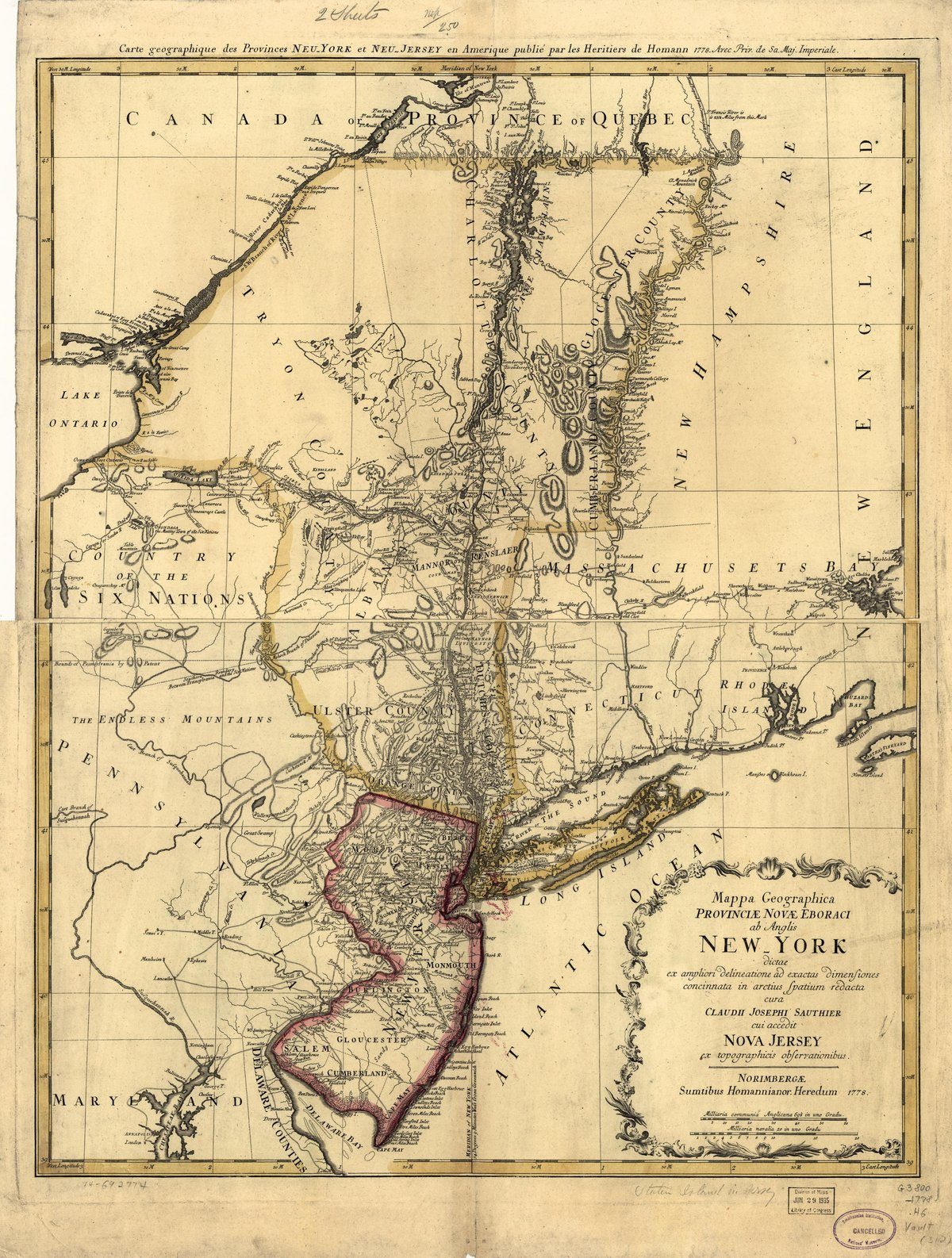
Claude Joseph Sauthier’s 1778 map of the Province of New York. A regional map, not a reconstruction of this incident.
In this story · 4 sections
Thomas Strang made a distinction in his interview with John M. McDonald: the troops who burned the courthouse came in the afternoon; the mounted force came early in the morning on another occasion. His recollection is a useful starting point for separating the raids associated with Crompond. [1]
Two attacks in one recollection
Strang dated the destruction of Major Strang's house, then used as a courthouse, and a military storehouse to June 3, 1779. He dated Tarleton's mounted raid to June 24. Those dates are his account, recorded long after the war. They should be checked against contemporary military records rather than treated as established merely because a later historian repeated them. [1]
Keeping the incidents separate helps explain why accounts may mention different troops, buildings and times of day. It is more useful than joining every detail under a single heading called “the burning of Crompond.”
A route described through familiar ground
For the mounted raid, Strang described a crossing above Pines Bridge at Vail's Ford and a curved approach from the east. He located an encounter at Delavan's property and named John Shaw as the man killed there. He said the attackers mistook Shaw for Captain Delavan. That explanation of the killing remains attributed to Strang. [1]
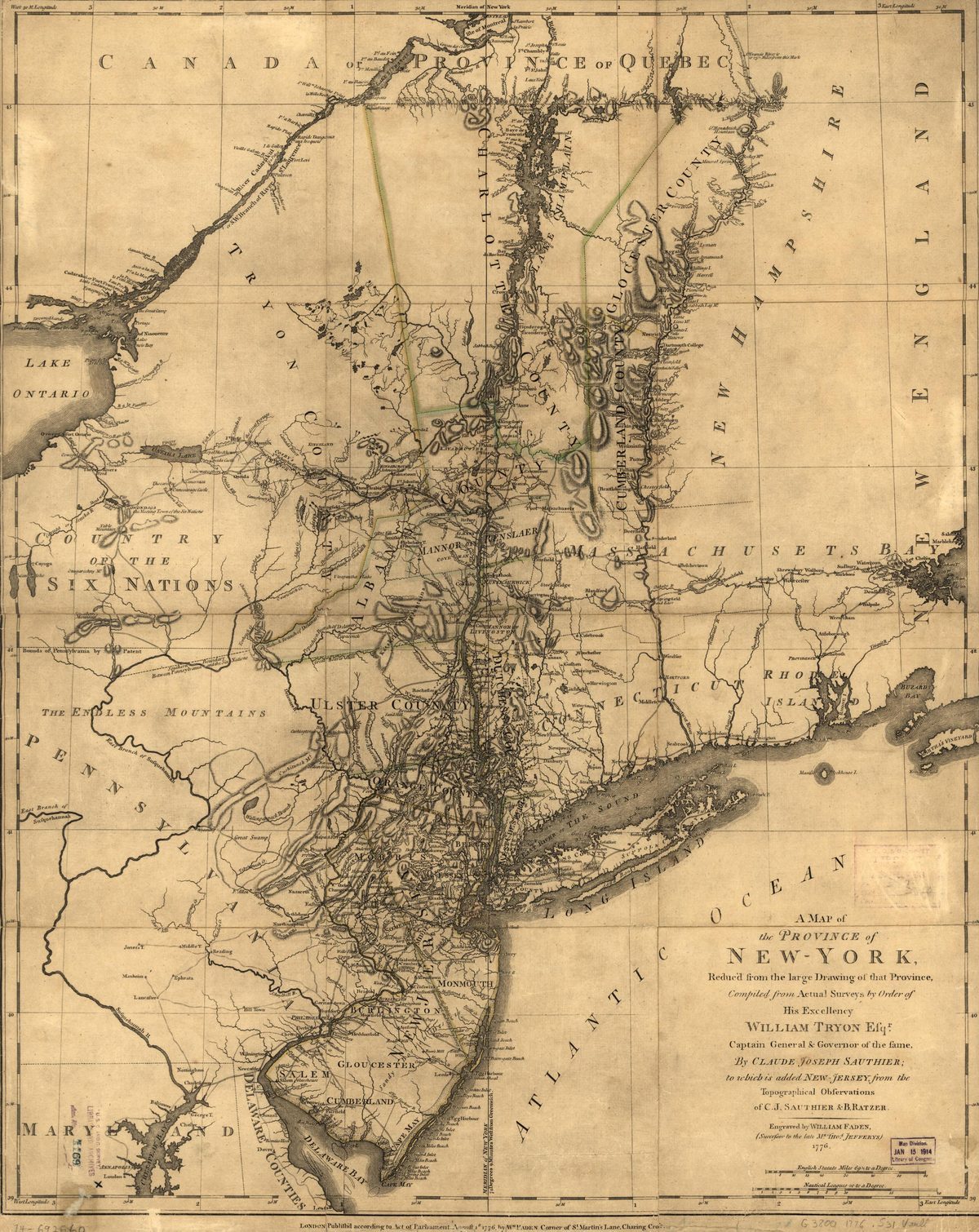
The geography is detailed enough to investigate. It is not an exact modern route map. River crossings, road names and distances need comparison with period surveys and other accounts.
How the story entered print
Bolton's 1881 history reproduces a closely related account under the name Thomas Strong. The similarity is a reason to examine how testimony moved into print, not to count the manuscript and published version as two independent witnesses. [2]
Differences in spelling, distance and wording can arise through copying, typesetting or later transcription. A responsible comparison follows the document history before deciding that the differences represent separate events or separate people.
The places that remain in the record
Church histories, burial records, military reports and local interviews preserve different parts of Crompond's past. Bolton's description of the churches and neighboring properties shows the community as nineteenth-century readers encountered it. That later landscape should not be silently substituted for the wartime one. [3]
The raids matter because buildings used for worship, government and military storage stood within a lived community. Their destruction affected a place larger than an engagement between opposing forces.
The surviving account is vivid enough without invented certainty. Strang's distinction between two raids, his named landmarks and the later printed version offer a route into the evidence. They also show how easily a local history can become simplified as it travels from memory to manuscript to book.
Updated October 16, 2026. Rewritten to attribute the raid dates and details to Strang’s later recollection and distinguish it from Bolton’s printed version. Removed unsupported claims about unprecedented discoveries and exact route reconstruction.
Citations
- Interview with Strang, Thomas
- The History of the Several Towns, Manors, and Patents of the County of Westchester, Vol. II (1881 revised ed.)
- A History of the County of Westchester, Vol. II
Numbered citations link to the cited passage in the archive.
Follow the evidence
Sources are linked beside the claims they support. Numbered notes open archived passages; named links open the cited record or publication.