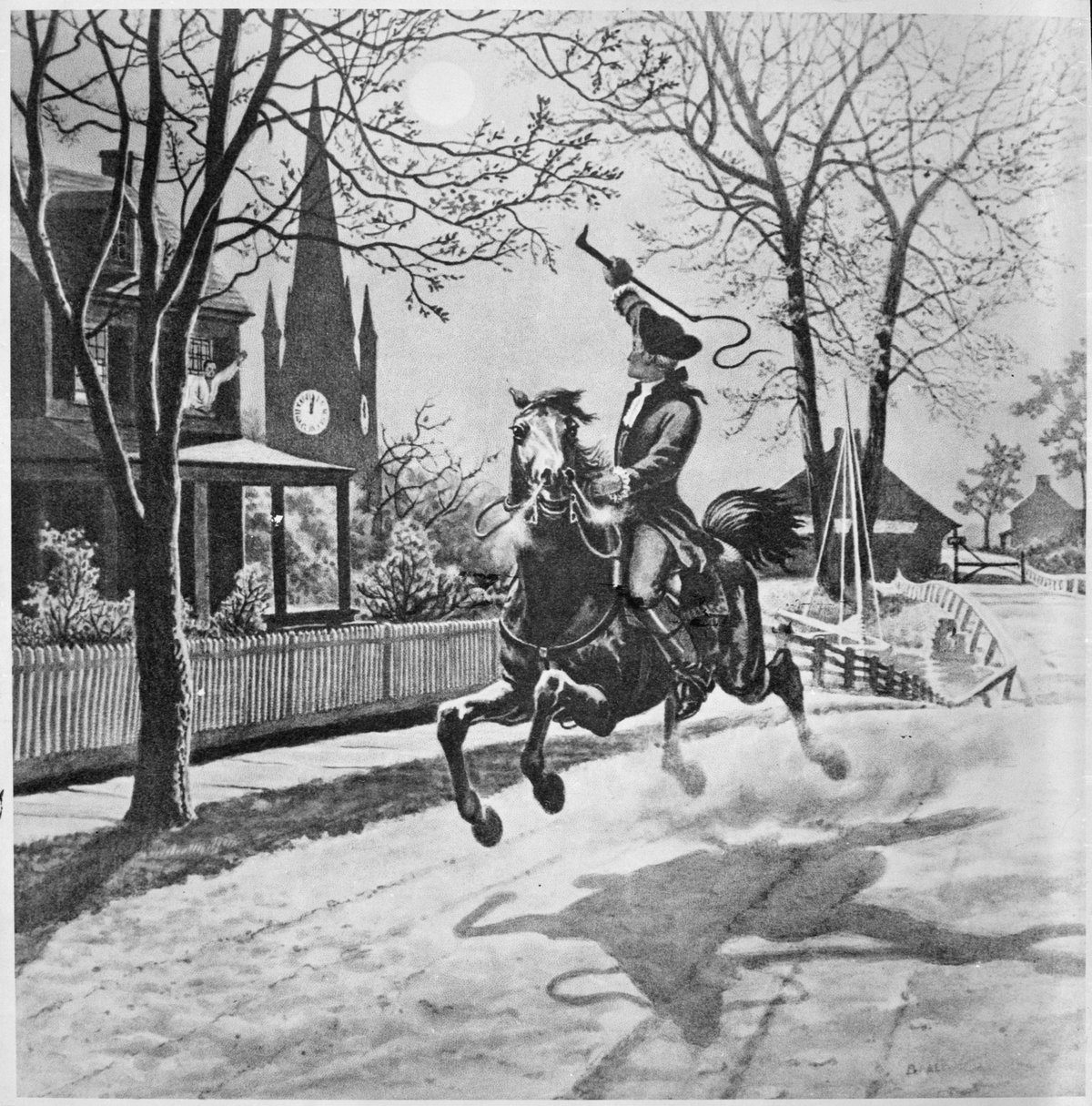
Illustration from the existing archive; not a contemporary depiction of the event described here.
In this story · 4 sections
The interviews agree that Tim Knapp was remembered as a striking young man. They disagree about the act for which he was hanged. In the gap between those two kinds of memory lies the central problem of his story: a vivid account is not necessarily a settled verdict.
The execution in Amelia Edwards's account
McDonald's interview with Amelia Edwards describes DeLancey offering a reward after the theft of his horse, Knapp's capture and a rapid decision to hang him. It records an attempted intervention and identifies a Black fiddler named Lunnon as the executioner. These details belong to Edwards's retrospective account. [1]
The earlier article converted that account into an omniscient scene, supplying categorical claims about every procedural step and the legal status of every person involved. The manuscript is narrower. It tells us what Edwards said and how McDonald recorded it.
A direct disagreement over the theft
Joseph Feeks said Knapp was not among the three who took the horses, while allowing that he might have supplied information. Feeks also reported hearing Thomas Ferris say that Knapp was innocent. That is evidence of Ferris's statement as relayed by Feeks—not a surviving interview in which Ferris directly answers McDonald's questions. [2]
James Hopkins remembered the matter differently. He said he still thought Knapp had participated in taking DeLancey's horses and placed the hanging sometime afterward, with uncertainty about the season. The disagreement is explicit. [3]
These accounts should stand beside one another. Choosing the more dramatic or sympathetic one does not resolve the evidence.
What people chose to remember
Isaac Holly connected Knapp with a Greenwich family and emphasized his appearance. Such testimony helps explain the emotional force of the story in local memory. It offers little independent evidence about the theft itself. [4]
The descriptions of Lunnon deserve equal care. Being named as the person who carried out an execution does not reveal whether he could refuse, what pressures he faced or everything about his status. The absence of his own voice is a limit of this record.
What can be concluded?
The collection preserves an execution remembered as swift and troubling, together with contradictory accounts of Knapp's participation in the horse theft. It does not support a confident modern declaration of either guilt or innocence on the basis of these passages alone.
That conclusion is not an invitation to ignore the injustice described by witnesses. It is a reason to state precisely what they alleged and what kind of evidence survives. A contemporary order, trial record or correspondence could change the assessment; the later interviews cannot be made to substitute for a document that has not been found.
The story remains forceful when the disagreement stays visible. The reader can see the accusation, the counterclaim and the people through whom each reached McDonald. That is a stronger account than a polished reconstruction that quietly decides the case for them.
Updated October 16, 2026. Rewritten to distinguish Edwards’s execution narrative from a contemporary record and Feeks’s report of Ferris from direct Ferris testimony. Removed categorical guilt or innocence claims and unsupported details about Lunnon.
Citations
- Interview with Edwards, Amelia, and Corsa, Andrew
- Interview with Feeks, Joseph
- Interview with Hopkins, James
- Interview with Holly, Isaac
Numbered citations link to the cited passage in the archive.
Follow the evidence
Sources are linked beside the claims they support. Numbered notes open archived passages; named links open the cited record or publication.